

How to Build a House in Uruguay as a Foreigner
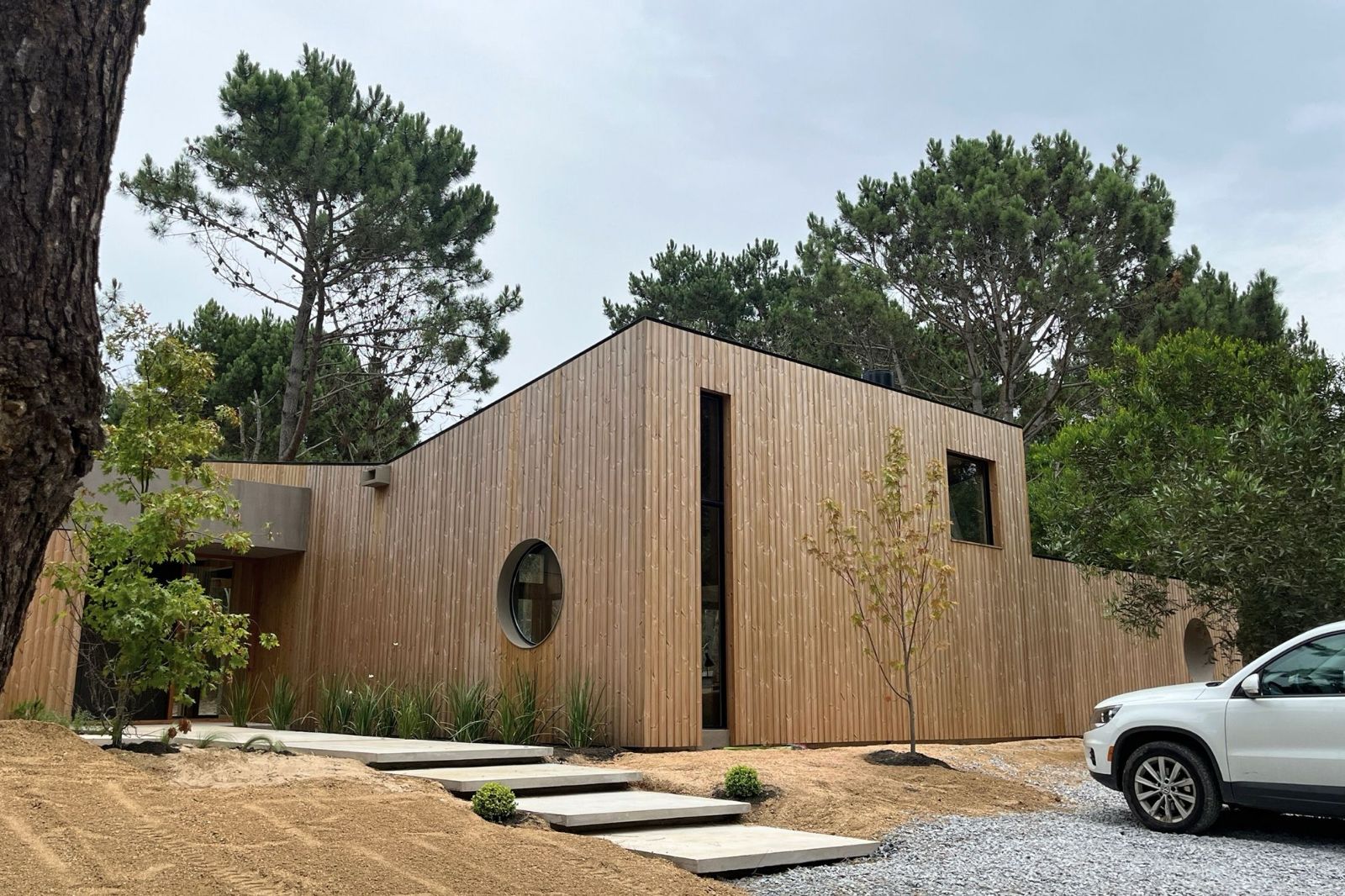
A structured path for relocation and long-term residence. Relocating to Uruguay involves more than choosing a destination. It means establishing a home aligned with the reasons behind the move: stability, space and connection to the landscape. In the eastern region — Punta del Este, La Barra and Manantiales — this transition has become increasingly structured for foreign residents. Understanding the process makes the difference.
1. Buying Land in Uruguay
Foreign buyers acquire property under the same legal conditions as citizens. This simplifies the first step. When selecting a lot, it is important to evaluate: - Municipal regulations - Soil conditions - Access to infrastructure - Environmental restrictions Choosing land with construction feasibility in mind prevents delays later in the process.
2. Architectural Definition and Planning
Each project begins with a design conversation. We collaborate with different architectural studios depending on the scale and vision of the client. Some arrive with their own architect; others work with our network of professionals. Structural modeling is developed using CADWORK under BIM methodology, which allows: - Full digital visualization before execution - Precise fabrication drawings - Optimized material calculations - Reduced uncertainty during assembly This level of preparation is particularly valuable for clients coordinating remotely.
3. Understanding the Construction System
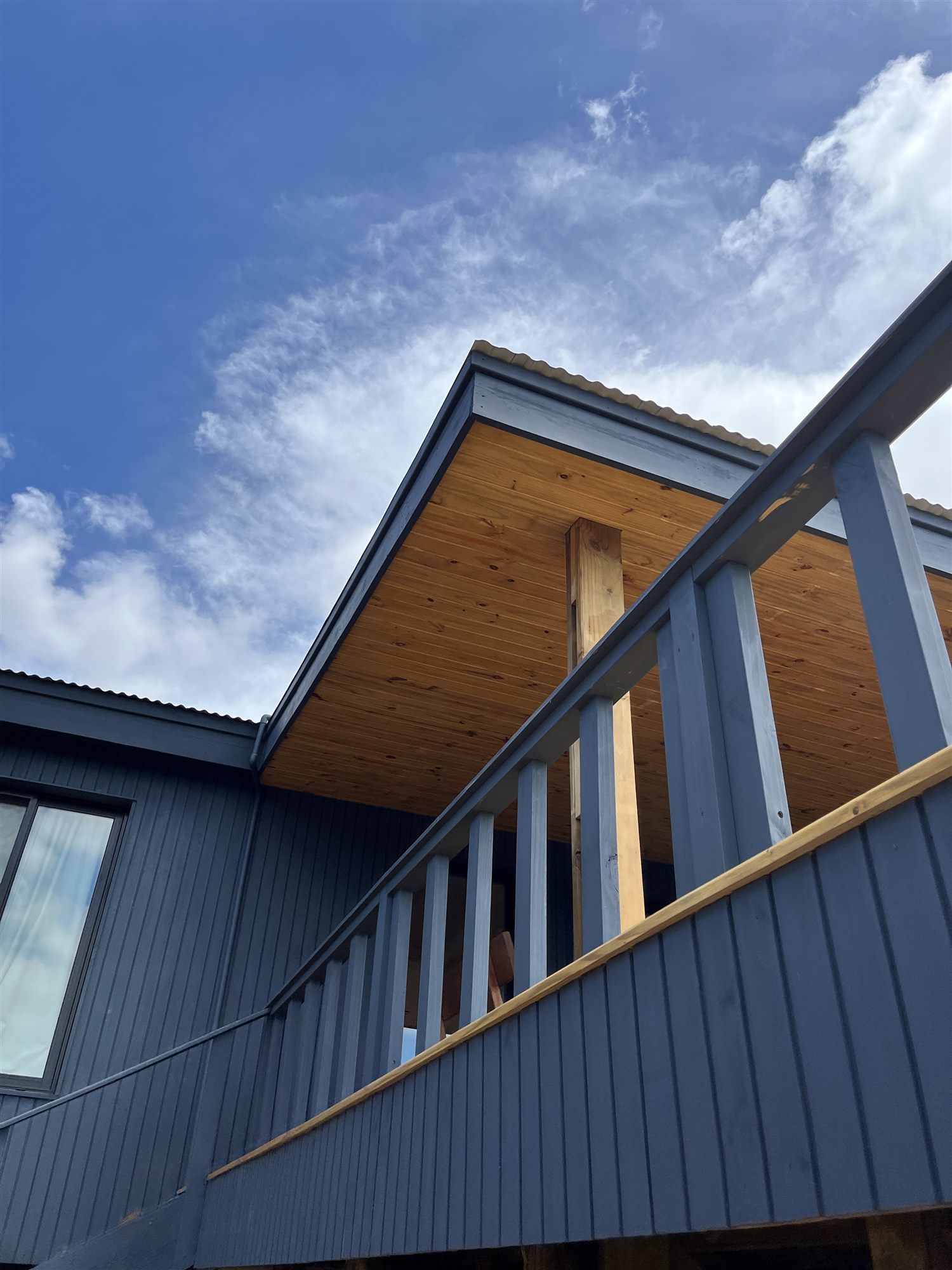
Timber-based construction has expanded across the eastern coast due to its efficiency and adaptability. The structural system includes: - Prefabricated panel assembly - Integrated thermal insulation - Vapor barriers and protective membranes Structural timber is industrially treated with CCA or MCA preservatives, following: - Controlled impregnation - Double drying stabilization - Laboratory verification (Oxford Lab 3500) Penetration and retention are tested according to AWPA standards within ISO 9001 certified processes, ensuring long-term reliability.
4. Permits and Administrative Framework
Building in Uruguay requires: - Municipal approval - Registration with BPS (social security system) - Payment of social contributions Our budget includes social contributions related to construction labor. A gestor coordinates: - Work registration - Monthly payroll declarations - Regulatory compliance Executive documentation, architectural direction and municipal taxes are managed in coordination with the project architect. This administrative structure provides clarity, particularly for those unfamiliar with local procedures.
5. Execution and Timeline
Dry assembly systems allow: - Defined construction schedules - Reduced weather-related interruptions - Controlled on-site duration Projects can begin remotely, with design and planning developed before arrival.
Reference Cost
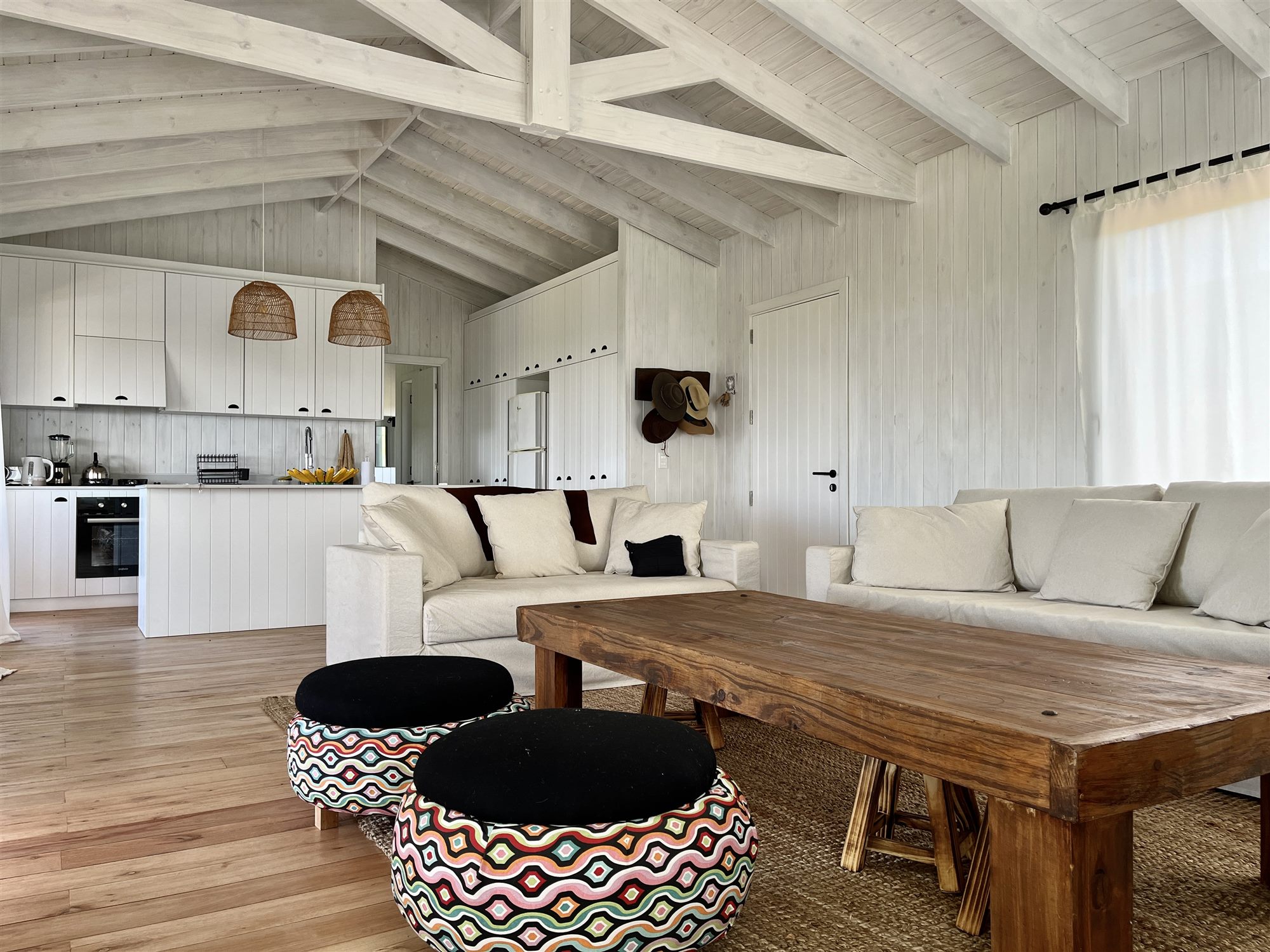
For custom homes exceeding 100 m²: - Approximate value: USD 1,850 per m² (subject to specifications and finishes) A well-structured process transforms relocation into a confident transition rather than an uncertain step.